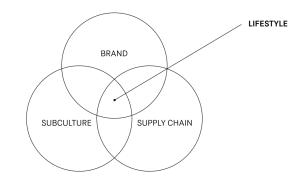
Hosting Pop-Up Events for Lifestyle Product Sales is an innovative approach that allows brands to connect directly with their audience in vibrant and engaging environments. These temporary retail spaces not only create a buzz around products but also offer customers a unique experience that traditional retail often lacks. By leveraging the excitement of a pop-up format, businesses can enhance their visibility and drive immediate sales, making it a strategic move in today’s competitive market.
As we delve into the ins and outs of hosting these events, we will explore the essentials of planning, setting up, and executing successful pop-ups that captivate potential customers and convert them into loyal fans.
In the modern world, the importance of effective communication cannot be overstated. Whether in a personal or professional setting, the ability to articulate thoughts and ideas clearly is crucial. This article explores the various dimensions of communication, the skills necessary for effective interaction, and the impact these skills can have on relationships and career advancement.To begin with, let’s define what effective communication actually means.
It refers to the ability to convey information to others in a way that is easily understood. This encompasses not just the words we choose, but also our tone, body language, and the context in which we communicate. Effective communication helps to build trust and understanding, which are essential in any relationship, be it personal or professional.One of the key components of effective communication is active listening.
This means fully concentrating on what the other person is saying, rather than just passively hearing their words. Active listening involves providing feedback, asking questions for clarification, and demonstrating that you value the speaker’s perspective. For instance, when someone shares a concern or idea, responding with phrases like “I see what you mean” or “That’s an interesting point” shows that you are engaged and care about their input.Another crucial aspect of communication is clarity.
It’s important to express your thoughts in a straightforward manner. This means avoiding jargon or overly complex language unless it’s appropriate for the audience. In a business meeting, for instance, using technical terms might be acceptable if all participants have the same level of understanding. However, in a mixed group, it would be wise to simplify your language to ensure everyone is on the same page.Non-verbal communication is equally important.
Body language, facial expressions, and gestures can convey just as much meaning as spoken words. For instance, maintaining eye contact can indicate confidence and sincerity, whereas crossed arms might be perceived as a defensive posture. Being aware of your own non-verbal cues, as well as those of others, can enhance your communication skills significantly.Additionally, empathy plays a vital role in effective communication.
Understanding and acknowledging the feelings and perspectives of others helps to create a connection. When you empathize, you show that you not only hear the words being spoken but also appreciate the emotions behind them. For example, if a colleague expresses frustration over a project, responding with empathy by saying, “I can see how that would be really challenging for you,” validates their feelings and fosters a more collaborative environment.Moreover, adapting your communication style to suit your audience is essential.
This adaptability can make your interactions more effective. For instance, when communicating with a superior, you might choose a more formal tone and structure your message clearly and concisely. In contrast, when speaking with a close friend, a casual tone may be more appropriate. Understanding your audience’s preferences and expectations can enhance the effectiveness of your communication.The digital age has transformed the way we communicate.
With the rise of emails, instant messaging, and video conferencing, it’s essential to navigate these platforms effectively. Each medium has its nuances; for example, written communication can sometimes be misinterpreted due to the absence of non-verbal cues. Therefore, it’s crucial to be explicit in written messages and consider the tone carefully. Using emojis can add warmth to a message, but it’s important to know when they are appropriate.Feedback is a critical component of communication in both personal and professional contexts.
Providing constructive feedback can help others improve while also fostering a culture of open communication. When giving feedback, it’s important to be specific and focus on behaviors rather than personal attributes. For instance, instead of saying, “You did a bad job,” you could say, “I think the report could be more organized; perhaps using headings would help clarify your points.”Conflict is an inevitable part of any relationship, and how we handle it can significantly impact our communication.
Approaching conflicts with a problem-solving mindset rather than an adversarial one can lead to more productive discussions. This involves listening to the other person’s perspective, finding common ground, and working collaboratively toward a resolution. For example, if two team members disagree on the direction of a project, facilitating a discussion where both sides can present their views can help uncover a compromise that satisfies everyone.Cultural differences also play a significant role in communication.
In our increasingly globalized world, being culturally aware can enhance interactions with others from diverse backgrounds. Different cultures have varying norms around eye contact, personal space, and even the style of communication itself. Educating ourselves about these differences can help prevent misunderstandings and foster more respectful and effective interactions.In professional settings, effective communication is often linked to leadership. Leaders who communicate clearly and openly are more likely to inspire their teams and foster a positive work environment.

This involves not only sharing information but also being transparent about decision-making processes. When team members feel informed and included, it can lead to higher morale and productivity.The benefits of honing your communication skills extend beyond the workplace. In personal relationships, strong communication contributes to greater understanding and connection with friends and family. Being able to express your needs and feelings openly can lead to deeper bonds and fewer misunderstandings.
Practicing these skills in everyday interactions can create a ripple effect, positively impacting your overall relationships.Furthermore, storytelling can be an incredibly powerful tool in communication. Sharing experiences or conveying messages through stories can make your points more relatable and memorable. Whether you’re presenting an idea in a meeting or chatting with friends, incorporating anecdotes can capture attention and foster engagement.
For example, when discussing a challenging project, sharing a personal story about a similar experience can create relatability and inspire collaboration.Lastly, continuous improvement is key to becoming an effective communicator. Seeking feedback on your communication style, whether from colleagues, mentors, or friends, can provide valuable insights into areas for growth. Additionally, participating in workshops or courses focused on communication can enhance your skills and confidence.In conclusion, effective communication is a multifaceted skill that encompasses listening, clarity, empathy, adaptability, and much more.
By recognizing the importance of these elements and continuously working to refine them, we can improve our interactions in both personal and professional contexts. The ability to communicate effectively not only enhances our relationships but also contributes to our overall success and fulfillment in life. So, let’s commit to becoming better communicators and, in turn, foster a more understanding and connected world.
Questions and Answers: Hosting Pop-Up Events For Lifestyle Product Sales
What are the main benefits of hosting pop-up events?
Pop-up events can increase brand visibility, create buzz, and provide direct customer interaction, leading to higher sales and customer loyalty.
How can I effectively market my pop-up event?
Utilize social media, email marketing, and local partnerships to spread the word and create excitement leading up to the event.
What should I consider when choosing a location for my pop-up?
Select a location with high foot traffic, aligns with your target demographic, and complements your brand identity.
How long should a pop-up event last?
Typically, pop-up events can run from a few days to several weeks, but the duration should align with your goals and customer engagement strategies.
What types of products are best suited for pop-up events?
Products that benefit from hands-on experience, unique lifestyle products, or limited-edition items tend to perform well in pop-up settings.