How to Price Insurance Policies Competitively sets the stage for this enthralling narrative, offering readers insights into the complex yet intriguing world of insurance pricing. With the ever-evolving landscape of the insurance industry, understanding how to set competitive prices is crucial for attracting customers while ensuring profitability. From evaluating market trends to considering customer needs, this guide dives deep into the strategies that can help insurance providers stand out in a crowded marketplace.
In today’s fast-paced world, the importance of effective communication cannot be overstated. Whether in a professional setting or casual interactions, the ability to convey ideas clearly and succinctly is a skill that can set individuals apart. This article will explore various facets of communication, its significance, and how mastering it can enhance both personal and professional relationships.### The Essence of CommunicationCommunication is the process of exchanging information, thoughts, and feelings between individuals or groups.
It encompasses verbal, non-verbal, written, and visual forms. Each mode has its unique strengths and can be leveraged depending on the context. For instance, verbal communication is often preferred for discussions requiring immediate feedback, while written communication can be more effective for formal documentation.### Types of Communication
1. Verbal Communication
This includes the spoken word and is the most direct form of communication. It allows for real-time interaction and often conveys emotions effectively.
2. Non-Verbal Communication
Body language, facial expressions, and gestures fall under this category. Non-verbal cues can often communicate more than words, reflecting a person’s true feelings or intentions.
3. Written Communication
Emails, reports, and text messages are examples of written communication. While it lacks the immediate feedback of verbal communication, it provides a record and allows for careful thought and revision.
4. Visual Communication
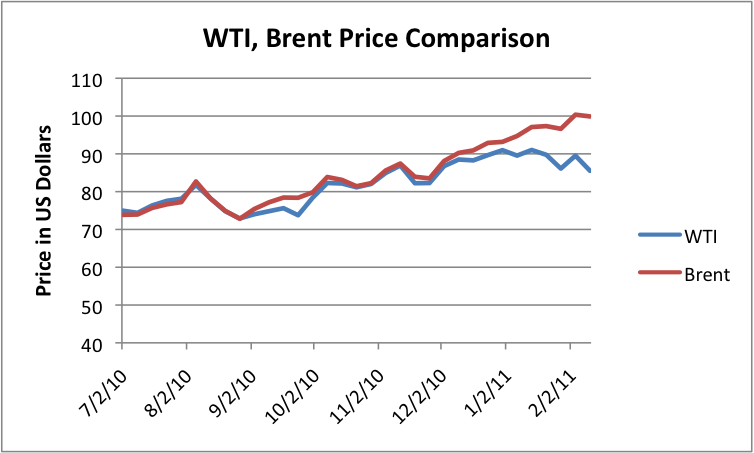
This involves the use of visual aids such as charts, graphs, and images to convey information. Visuals can enhance understanding and retention of information, making them powerful tools in presentations.### The Importance of Effective CommunicationEffective communication is crucial for several reasons:
Building Relationships
Clear communication fosters trust and understanding, forming the foundation of strong relationships—be it personal or professional.
Enhancing Collaboration
In a workplace setting, effective communication encourages teamwork. Colleagues who communicate openly are more likely to collaborate successfully, leading to improved productivity.
Conflict Resolution
Poor communication can lead to misunderstandings and conflicts. By communicating effectively, individuals can address issues before they escalate, leading to amicable resolutions.
Boosting Morale
In a professional environment, when employees feel heard and understood, it boosts their morale and job satisfaction. This can lead to increased loyalty and lower turnover rates.### Barriers to Effective CommunicationDespite its importance, effective communication can be hindered by several barriers:
Language Differences
In a diverse workplace, language barriers can lead to misunderstandings. It’s essential to ensure that all parties are on the same page, using language that everyone can understand.
Cultural Differences
Different cultures have unique communication styles. Being culturally aware and sensitive can help bridge gaps and foster better understanding.
Emotional Barriers
Personal emotions can cloud judgment and affect how messages are conveyed and received. Managing emotions is vital for clear communication.
Physical Barriers
In today’s remote-working landscape, physical distance can pose challenges. Utilizing technology effectively can help mitigate these barriers.### Tips for Improving Communication SkillsImproving communication skills is a lifelong process. Here are some practical tips to enhance your abilities:
1. Active Listening
Listening is just as important as speaking. Practice active listening by giving your full attention to the speaker, acknowledging their points, and responding thoughtfully.
2. Be Clear and Concise
Avoid jargon and overly complex language. Being clear and concise helps ensure your message is understood.
3. Know Your Audience
Tailor your communication style to suit your audience. Consider their background, preferences, and potential biases.
4. Practice Empathy
Put yourself in the other person’s shoes. Understanding their perspective can foster better communication and build rapport.
5. Seek Feedback
Ask for feedback on your communication style. Understanding how others perceive your messages can provide valuable insights for improvement.
6. Utilize Technology
In our digital age, leveraging technology can enhance communication. Tools like video conferencing, collaborative software, and instant messaging can facilitate better interactions.### The Role of Communication in LeadershipEffective leadership is inherently tied to strong communication skills. Leaders who communicate effectively can inspire and motivate their teams, set clear expectations, and foster an open environment for dialogue. Here are some essential aspects of communication in leadership:
Vision Sharing
Leaders must communicate their vision clearly to align their team’s efforts towards common goals.
Feedback and Recognition
Providing constructive feedback and recognizing achievements fosters a positive work environment.
Crisis Communication
During challenging times, effective communication is crucial. Leaders must convey information transparently and calmly to maintain trust and morale.### ConclusionIn conclusion, effective communication is a critical skill that transcends all areas of life. By understanding the different types of communication, recognizing barriers, and employing strategies to enhance communication skills, individuals can significantly improve their relationships and professional interactions. The journey to becoming an effective communicator is ongoing, but the benefits are undoubtedly worth the effort.
Whether in a boardroom or a casual gathering, the ability to communicate effectively is a valuable asset that can lead to success in both personal and professional endeavors. Embrace the challenge, and watch as your relationships flourish and your career prospects expand.
Top FAQs: How To Price Insurance Policies Competitively
What factors should be considered when pricing insurance policies?
Factors include risk assessment, competitor pricing, customer demographics, and claims history.
How often should insurance policies be re-evaluated for pricing?
Insurance policies should be re-evaluated regularly, ideally annually, or whenever significant market changes occur.
Can technology aid in pricing insurance policies?
Yes, technology can help analyze data, model risks, and streamline the pricing process through advanced analytics.
What role does customer feedback play in pricing strategies?
Customer feedback provides valuable insights into perceived value and helps refine pricing strategies to better meet market demands.
Is there a formula for pricing insurance policies effectively?
While there isn’t a one-size-fits-all formula, effective pricing usually combines risk assessment with market analysis and strategic positioning.