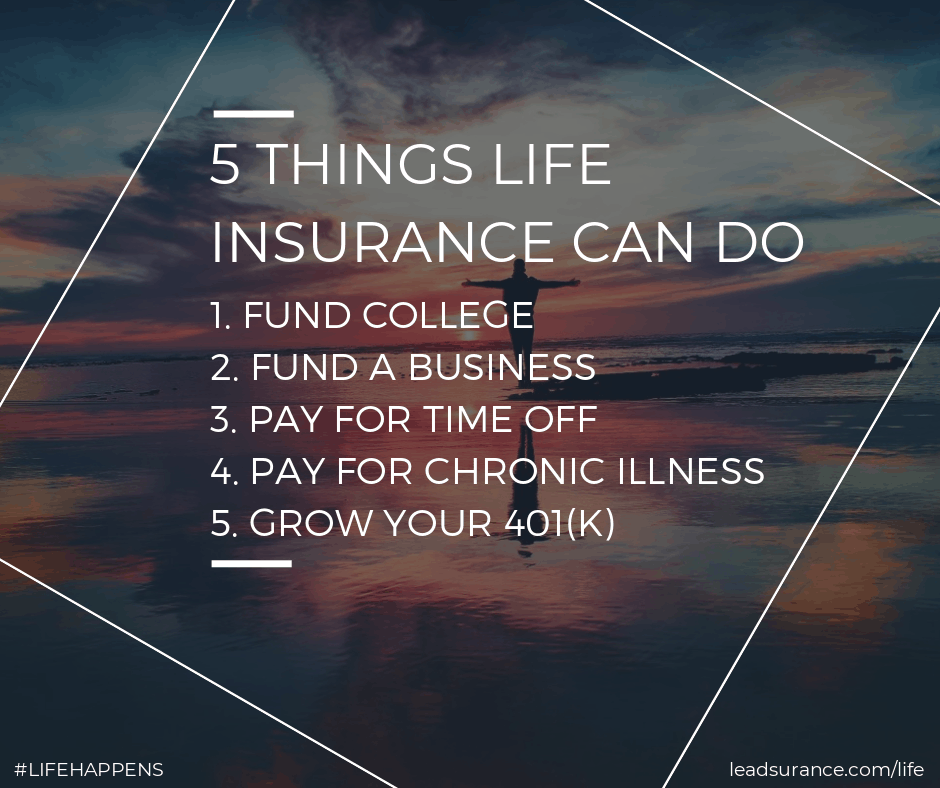
Leveraging Video Marketing for Insurance Education reveals a dynamic approach to enhance how insurance concepts are communicated. In today’s fast-paced world, traditional methods of educating clients about insurance can often fall flat, failing to engage or inform effectively. Video marketing presents a vibrant alternative, capturing attention and simplifying complex topics through visual storytelling. By utilizing engaging content that resonates with viewers, insurance providers can demystify policies, highlight the importance of coverage, and foster a deeper understanding of their services.
This innovative method not only attracts potential customers but also reinforces brand loyalty by providing valuable insights in an easily digestible format. As consumers increasingly turn to digital platforms for information, harnessing the power of video marketing offers insurance professionals a unique opportunity to stand out in a crowded marketplace.
In today’s fast-paced digital world, having a solid online presence is not just an option; it’s a necessity. Whether you’re an individual looking to showcase your talents or a business aiming to attract customers, understanding the nuances of digital marketing is crucial. This article delves into the various aspects of digital marketing, exploring its significance, components, and strategies for effective implementation.
What is Digital Marketing?Digital marketing refers to any promotional activity that uses the internet or electronic devices to reach consumers. Unlike traditional marketing methods, which often rely on print, television, or radio advertising, digital marketing encompasses all online strategies, including social media, email marketing, search engine optimization (), and pay-per-click (PPC) advertising. As businesses and consumers alike continue to turn to digital channels, the importance of digital marketing has grown exponentially.
The Importance of Digital Marketing
1. Wider Reach
One of the most significant advantages of digital marketing is its ability to reach a global audience. Through the internet, businesses can connect with potential customers from different geographical locations, breaking down the barriers that traditional marketing often faces.
2. Cost-Effectiveness
Compared to traditional advertising methods, digital marketing tends to be more affordable. Small businesses and startups can leverage platforms like social media and email marketing to promote their products or services without breaking the bank.
3. Measurable Results
Digital marketing allows for precise tracking and analytics. Businesses can measure the effectiveness of their campaigns in real-time, enabling them to adjust their strategies based on data-driven insights. Tools like Google Analytics provide valuable information on website traffic, conversion rates, and user behavior.
4. Targeted Advertising
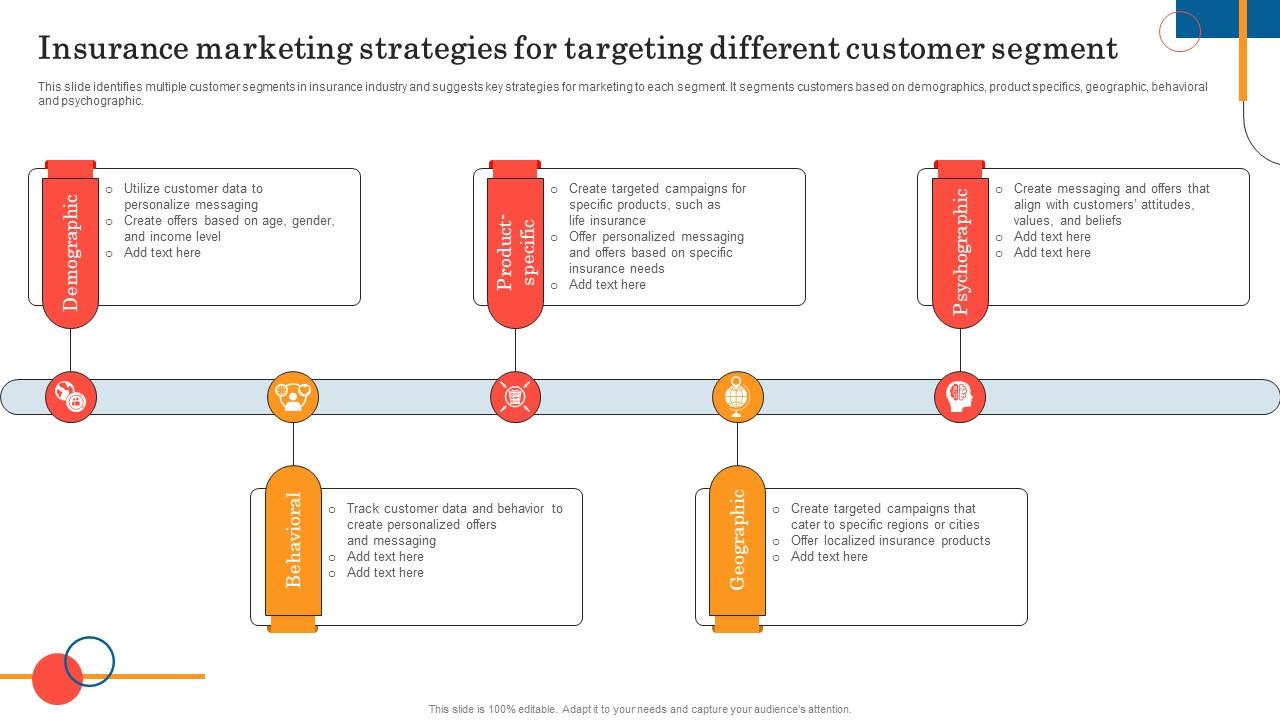
With digital marketing, companies can target specific demographics, interests, and behaviors. For instance, social media platforms offer advanced targeting options, allowing businesses to reach users who are most likely to be interested in their products or services.
5. Enhanced Engagement
Digital marketing facilitates direct communication between businesses and consumers. Through social media posts, comments, and messages, brands can engage with their audience, addressing concerns and building relationships. Key Components of Digital Marketing
1. Search Engine Optimization ()
is the practice of optimizing a website to increase its visibility in search engine results. By using relevant s, creating high-quality content, and ensuring a user-friendly site structure, businesses can improve their chances of ranking higher on search engines like Google. Higher visibility leads to increased organic traffic, which can result in more conversions.
2. Content Marketing
Content is king in the digital world. Content marketing involves creating valuable, relevant content to attract and engage a target audience. This can include blog posts, videos, infographics, podcasts, and eBooks. By providing useful information, businesses can establish authority in their industry and build trust with potential customers.
3. Social Media Marketing
With billions of users on platforms like Facebook, Instagram, Twitter, and LinkedIn, social media marketing is a powerful tool for businesses to connect with their audience. Companies can use social media to promote their products, share content, and engage with followers. Additionally, social media advertising allows for targeted promotions to reach specific demographics.
4. Email Marketing
Email marketing remains one of the most effective digital marketing strategies. By building an email list, businesses can send targeted messages and promotional offers directly to their audience’s inbox. The key is to provide value through informative newsletters, exclusive discounts, and personalized content.
5. Pay-Per-Click (PPC) Advertising
PPC advertising allows businesses to display ads on search engines and other platforms, paying for each click on their ad. This model offers immediate traffic and can be highly effective when done correctly. Google Ads and Facebook Ads are popular platforms for PPC campaigns.
6. Affiliate Marketing
Affiliate marketing is a performance-based marketing strategy where businesses reward affiliates for driving traffic or sales through their marketing efforts. This model can be an effective way to reach new audiences without upfront costs. Strategies for Effective Digital Marketing
1. Define Your Goals
Before diving into digital marketing, it’s essential to set clear, measurable goals. Whether it’s increasing website traffic, generating leads, or boosting sales, having specific objectives will guide your strategy.
2. Know Your Audience
Understanding your target audience is crucial for successful digital marketing. Conduct market research to identify your ideal customer’s preferences, behaviors, and pain points. Tailor your marketing efforts to resonate with this audience.
3. Create Valuable Content
Focus on delivering high-quality content that provides value to your audience. Content that educates, entertains, or solves problems is more likely to engage users and encourage them to take action.
4. Utilize Best Practices
Invest time in optimizing your website for search engines. Use relevant s, create quality backlinks, and ensure your site is mobile-friendly. Regularly update your content to keep it fresh and relevant.
5. Engage on Social Media
Be active on social media platforms where your audience spends their time. Share relevant content, respond to comments, and participate in conversations. Building a strong social media presence can enhance brand loyalty and trust.
6. Leverage Analytics
Utilize analytics tools to track the performance of your digital marketing efforts. Regularly review metrics such as website traffic, conversion rates, and social media engagement. Use this data to adjust your strategies for better results.
7. Test and Iterate
Digital marketing is an evolving field. Don’t be afraid to experiment with different strategies and tactics. A/B testing can help you understand what works best for your audience, allowing for continuous improvement. ConclusionIn conclusion, digital marketing is an essential component of any modern business strategy. Its ability to provide a wide reach, cost-effectiveness, and measurable results makes it an attractive option for companies of all sizes.
By understanding the key components of digital marketing and implementing effective strategies, businesses can enhance their online presence, engage with their audience, and drive sales. As the digital landscape continues to evolve, staying updated on the latest trends and technologies will be vital for long-term success. Embrace the power of digital marketing and watch your brand thrive in the online world.
Clarifying Questions: Leveraging Video Marketing For Insurance Education
What is the main benefit of using video marketing in insurance education?
The main benefit is that it simplifies complex information, making it easier for consumers to understand insurance products and services.
How can video marketing increase customer engagement?
Video content is more visually appealing and can encourage viewers to interact, share, and discuss the information, thus enhancing engagement.
Are there specific types of videos that work best for insurance education?
Yes, explainer videos, client testimonials, and animated videos that depict scenarios can be particularly effective.
How does video marketing help in building trust with clients?
Video can put a face to the brand, allowing potential clients to connect with the company on a personal level, which helps in building trust.
What platforms are best for sharing insurance education videos?
Popular platforms include YouTube, social media channels like Facebook and Instagram, and the insurance company’s own website.