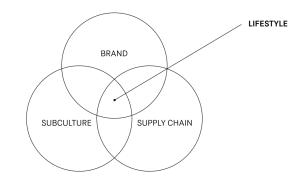
Lifestyle Brand Partnerships for Mutual Growth is an exciting frontier where brands collaborate to enhance their visibility and credibility while driving mutual benefits. As businesses increasingly seek innovative strategies to thrive in competitive markets, these partnerships emerge as a powerful tool to create synergies that resonate with consumers.
By aligning their values and objectives, brands can leverage shared resources to expand their reach and influence. This approach not only enhances customer engagement but also fosters a sense of community through shared experiences. In this context, understanding the dynamics of these partnerships becomes essential for brands aiming to navigate the evolving landscape of consumer preferences.
In the realm of human history, technology has played a pivotal role in shaping societies, cultures, and economies. From the rudimentary tools used by our ancestors to the sophisticated devices we rely on today, the journey of technological evolution is nothing short of fascinating. This article explores the key milestones in this journey, highlighting how innovation has transformed our world.
1. The Dawn of Technology
Prehistoric Tools
The story of technology begins in the prehistoric era, where early humans fashioned simple tools from stones, bones, and wood. These primitive instruments, such as hand axes and spears, marked the first significant leap in human capabilities, allowing our ancestors to hunt, gather, and defend themselves more effectively.
As time progressed, the discovery of fire was a monumental technological breakthrough. It provided warmth, protection, and a new way to cook food, drastically improving health and safety. This period laid the groundwork for future innovations, as humans began to experiment with materials and methods to solve everyday problems.
2. The Agricultural Revolution
Fast forward to around 10,000 BC, and we encounter the Agricultural Revolution. This period was characterized by the transition from nomadic lifestyles to settled farming communities. The invention of the plow, irrigation systems, and the domestication of animals revolutionized food production, leading to population growth and the establishment of cities.
With the advent of agriculture, humans could support larger populations, which in turn encouraged the development of social structures, trade, and, ultimately, the rise of civilizations. The surplus of food allowed individuals to specialize in various trades, fostering innovation and the exchange of ideas.
3. The Age of Metal
Bronze and Iron
As ancient civilizations flourished, the discovery of metalworking marked another significant technological leap. The Bronze Age, commencing around 3300 BC, introduced tools and weapons made from bronze, an alloy of copper and tin. This led to advancements in warfare, agriculture, and craftsmanship.
Later, the Iron Age emerged, around 1200 BC, further revolutionizing tools and weapons. Iron was more abundant and accessible than bronze, making it possible for more people to equip themselves with superior tools. This period also saw the rise of powerful empires, driven by military prowess and technological superiority.
4. The Wheel
A Revolutionary Invention
No discussion of ancient technology is complete without mentioning the wheel, invented around 3500 BC. Initially used for pottery, it soon became integral to transportation. The wheel facilitated trade and communication, allowing goods and ideas to spread more efficiently across vast distances.
This innovation not only transformed transport but also inspired further developments in engineering and mechanics. The combination of the wheel with the axle laid the foundation for countless inventions that would shape the future.
5. The Printing Press
A Leap in Communication
Fast forward to the 15th century, and we encounter one of the most groundbreaking inventions in human history: the printing press, developed by Johannes Gutenberg around 1440. This invention revolutionized the way information was disseminated, making books more accessible and affordable.
The printing press played a crucial role in the spread of knowledge, contributing to the Renaissance and the Reformation. It empowered individuals with information, fostered literacy, and encouraged critical thinking, ultimately paving the way for the modern world.
6. The Industrial Revolution
A Technological Tsunami
The 18th and 19th centuries marked the Industrial Revolution, a period of rapid industrialization that transformed economies and societies across the globe. Innovations such as the steam engine, spinning jenny, and power loom revolutionized manufacturing processes, leading to mass production.
This era saw the emergence of factories, urbanization, and a shift from agrarian societies to industrial powerhouses. The rise of the working class and the demand for labor significantly changed social dynamics, influencing politics, culture, and economics.
7. The Rise of Electricity and Communication: Lifestyle Brand Partnerships For Mutual Growth
The late 19th century brought about electrification, with inventions like the light bulb and telegraph transforming everyday life. The ability to generate and distribute electricity opened doors to new technologies, enabling advancements in communication, transportation, and healthcare.
Communication was further transformed by the invention of the telephone by Alexander Graham Bell in 1876. This breakthrough connected people across distances, fostering global communication and commerce, thus shrinking the world.
8. The 20th Century
The Information Age
The 20th century heralded the Information Age, characterized by the rise of computers and digital technologies. The first electronic computers emerged during World War II, paving the way for the rapid development of computing power and data processing.
With the introduction of the internet in the late 20th century, a revolution in communication and information access began. The World Wide Web transformed how we interact, work, and learn, enabling global connectivity and access to vast amounts of information at our fingertips.
9. The Digital Era
Smartphones and AI
As we moved into the 21st century, technology continued to evolve at an unprecedented pace. The advent of smartphones revolutionized communication, allowing us to carry powerful computers in our pockets. Social media emerged, reshaping how we connect and interact with one another.
Artificial intelligence (AI) also gained prominence, with advancements in machine learning and data analytics. AI technologies began to infiltrate various industries, enhancing efficiencies and creating new possibilities in fields such as healthcare, finance, and entertainment.
10. The Future of Technology
What Lies Ahead?
As we look to the future, the trajectory of technological evolution is both exciting and uncertain. Emerging technologies such as quantum computing, biotechnology, and renewable energy hold the potential to address some of humanity’s most pressing challenges, from climate change to healthcare accessibility.
However, with great power comes great responsibility. Ethical considerations surrounding privacy, security, and the impact of automation on employment are crucial discussions that must accompany technological advancements. Striking a balance between innovation and ethical implications will be essential for a sustainable future.
Conclusion
The evolution of technology is a testament to human ingenuity and adaptability. From the simplest tools of our ancestors to the complex systems of modern society, each technological advancement has shaped our world in profound ways. As we embrace the future, it is imperative to harness the power of technology for the greater good, ensuring that it serves humanity and enriches lives for generations to come.
General Inquiries
What are lifestyle brand partnerships?

Lifestyle brand partnerships are collaborations between brands that share similar values and target audiences, aimed at enhancing mutual visibility and engagement.
How can brands benefit from these partnerships?
Brands can benefit from increased exposure, access to new customer segments, shared resources, and enhanced credibility through association with like-minded brands.
What should brands consider before entering a partnership?
Brands should consider alignment in values, target audience compatibility, potential risks, and the overall goals of the partnership to ensure a successful collaboration.
Are there any risks associated with lifestyle brand partnerships?
Yes, risks include brand mismatch, potential negative associations, and challenges in aligning marketing strategies, which can affect brand perception.
How can brands measure the success of their partnerships?
Success can be measured through metrics such as increased sales, customer engagement levels, social media reach, and overall brand awareness post-collaboration.