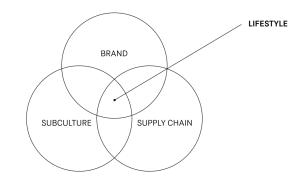
Pricing Strategies for Luxury Lifestyle Goods sets the stage for an insightful exploration into the intriguing world of high-end product pricing. Understanding how luxury brands position themselves within the market is essential, as pricing not only reflects the exclusivity and quality of the goods but also helps to shape consumer perceptions. This discussion will delve into various pricing strategies that brands utilize to maintain their elite status while also attracting discerning customers.
From psychological pricing to premium pricing models, luxury brands employ a range of tactics to convey value and prestige. The uniqueness of luxury goods requires a strategic approach that goes beyond standard pricing norms, ensuring that each product remains desirable and aligns with the brand’s identity. This overview will guide you through essential considerations and methodologies that drive effective pricing in the luxury sector.
In the fast-paced world we live in today, understanding the dynamics of effective communication has never been more critical. Whether it’s in our personal lives or professional settings, the way we convey our thoughts and feelings impacts our relationships and success. This article delves into the nuances of communication, exploring its various forms, techniques, and the importance of active listening.### The Essence of CommunicationAt its core, communication is the act of transferring information from one entity to another.
It can be verbal, non-verbal, written, or visual. Each form has its unique attributes and plays a vital role in how we share ideas, express emotions, and build connections. Mastering these forms can significantly enhance our ability to convey messages clearly and effectively.#### Verbal CommunicationVerbal communication includes spoken words, whether in face-to-face conversations, phone calls, or video conferencing. Tone, pitch, and pace are essential elements of verbal communication.
The way we say something often holds as much weight as the words we choose. For instance, speaking in a calm, steady voice can convey confidence, while a shaky voice may express doubt or insecurity.Moreover, the choice of words is crucial. Using jargon or complex terminology can confuse the listener, while simple language can make the message more accessible. A good communicator knows their audience and tailors their language accordingly.#### Non-Verbal CommunicationNon-verbal communication encompasses body language, facial expressions, gestures, and even eye contact.
It often speaks louder than words. For example, crossed arms may suggest defensiveness, while open arms can indicate receptivity and warmth. Understanding non-verbal cues can enhance our interactions significantly. It’s essential to be aware of our body language and how it may be interpreted by others. Additionally, being attentive to others’ non-verbal signals can offer insights into their feelings or attitudes, which may not be expressed verbally.#### Written CommunicationWritten communication remains a cornerstone in both personal and professional realms.
Emails, texts, reports, and social media posts are all forms of written communication. Clarity and conciseness are paramount in written forms. The reader should be able to grasp the message quickly without wading through unnecessary details.When crafting written communication, it’s crucial to structure the content logically. Starting with a strong introduction that Artikels the main points, followed by clear, organized paragraphs, helps maintain the reader’s engagement.
Furthermore, proofreading is essential to eliminate grammatical errors and typos that can undermine the professionalism of the content.#### Visual CommunicationVisual communication uses imagery, symbols, charts, and graphs to convey information. In an age where attention spans are shorter, visuals can make messages more impactful and easier to understand. Infographics, for instance, combine text and visuals to present data in an engaging way, making it more digestible.Incorporating visual elements into presentations or reports can help clarify complex topics, as they break down information into digestible pieces.
Visuals can also evoke emotions and create a deeper connection with the audience.### The Importance of Active ListeningWhile expressing oneself is vital, active listening is equally important in effective communication. Active listening involves fully concentrating on the speaker, understanding their message, responding thoughtfully, and remembering what was said. This skill fosters stronger relationships and enhances collaboration.#### Techniques for Active Listening
1. Maintain Eye Contact
This shows the speaker that you are engaged and interested in what they are saying.
2. Provide Feedback
Nodding or using verbal acknowledgments like “I see” or “interesting” encourages the speaker to continue.
3. Avoid Interrupting
Let the speaker finish their thoughts before responding. Interrupting can disrupt their flow of ideas and may come off as disrespectful.
4. Ask Questions
Clarifying questions demonstrate that you are actively engaged and interested in understanding the speaker’s perspective.
5. Summarize
After the speaker has finished, summarizing what you’ve heard reaffirms your understanding and shows that you value their message.### Overcoming Communication BarriersDespite our best efforts, communication barriers can arise. Factors such as cultural differences, emotional states, or even environmental distractions can hinder effective communication. Here are some strategies to overcome these barriers:
Be Culturally Aware
Understanding the cultural backgrounds of those you communicate with can help avoid misunderstandings. Different cultures may interpret gestures or phrases differently.
Manage Emotions
If you’re feeling angry or upset, it can cloud your judgment and affect how you communicate. Taking a moment to breathe and collect your thoughts can lead to a more productive conversation.
Minimize Distractions
In a world filled with constant notifications and distractions, finding a quiet space to communicate can enhance focus and understanding.### The Role of Empathy in CommunicationEmpathy plays a pivotal role in effective communication. It involves recognizing and understanding another person’s feelings and perspectives. When we practice empathy, we create an environment of trust and openness.#### How to Cultivate Empathy
Put Yourself in Their Shoes
Try to see the situation from the other person’s perspective. This understanding can lead to more compassionate responses.
Be Open-Minded
Approach conversations without any preconceived notions. Being open to different viewpoints fosters a healthier dialogue.
Practice Patience
Sometimes, allowing someone to express their emotions fully before responding can help in building empathy.### The Impact of Technology on CommunicationToday, technology has transformed how we communicate. Tools such as instant messaging, video calls, and social media have made it easier to connect with others regardless of distance. However, this also comes with its own set of challenges.#### Pros and Cons of Digital Communication Pros:

- Instantaneous communication allows for quick exchanges of ideas.
- Accessibility to communicate with people across the globe.
- The ability to share multimedia content enhances engagement.
Cons:
- The lack of non-verbal cues in text-based communication can lead to misunderstandings.
- Digital distractions can detract from the quality of conversations.
- Over-reliance on technology may weaken face-to-face communication skills.
### ConclusionEffective communication is a multi-faceted skill that requires practice, awareness, and a willingness to learn. By understanding the different forms of communication, honing active listening skills, and cultivating empathy, we can enhance our interactions and foster deeper connections with others. In a world where communication is increasingly digital, it’s essential to balance technology with personal engagement to maintain meaningful relationships.As we navigate our daily interactions, let us remember that communication is not just about speaking; it is equally about listening, understanding, and connecting with those around us.
By doing so, we can create a more harmonious and productive environment, both personally and professionally.
Key Questions Answered: Pricing Strategies For Luxury Lifestyle Goods
What is premium pricing in luxury goods?
Premium pricing involves setting prices higher than competitors to create a perception of exclusivity and quality.
How do luxury brands use psychological pricing?
Luxury brands often use psychological pricing by setting prices that end in .99 or using whole numbers to enhance perceived value.
What role does brand image play in luxury pricing?
Brand image significantly influences luxury pricing, as a strong, positive image can justify higher prices and attract affluent consumers.
How do discounts affect luxury brands?
Discounts can undermine the perceived exclusivity of luxury brands, so they are often avoided; when applied, they are done strategically.
What is the impact of scarcity on pricing strategies?
Scarcity can enhance the desirability of luxury goods, allowing brands to increase prices as consumers perceive limited availability as a sign of value.