How to Photograph Home Decoration for Online Sales is essential for anyone looking to showcase their interior designs effectively. Capturing the beauty and details of home decor not only attracts potential buyers but also enhances the overall appeal of your listings. This guide will take you through the crucial aspects of photographing home decor, ensuring that each shot tells a story and highlights the uniqueness of your items.
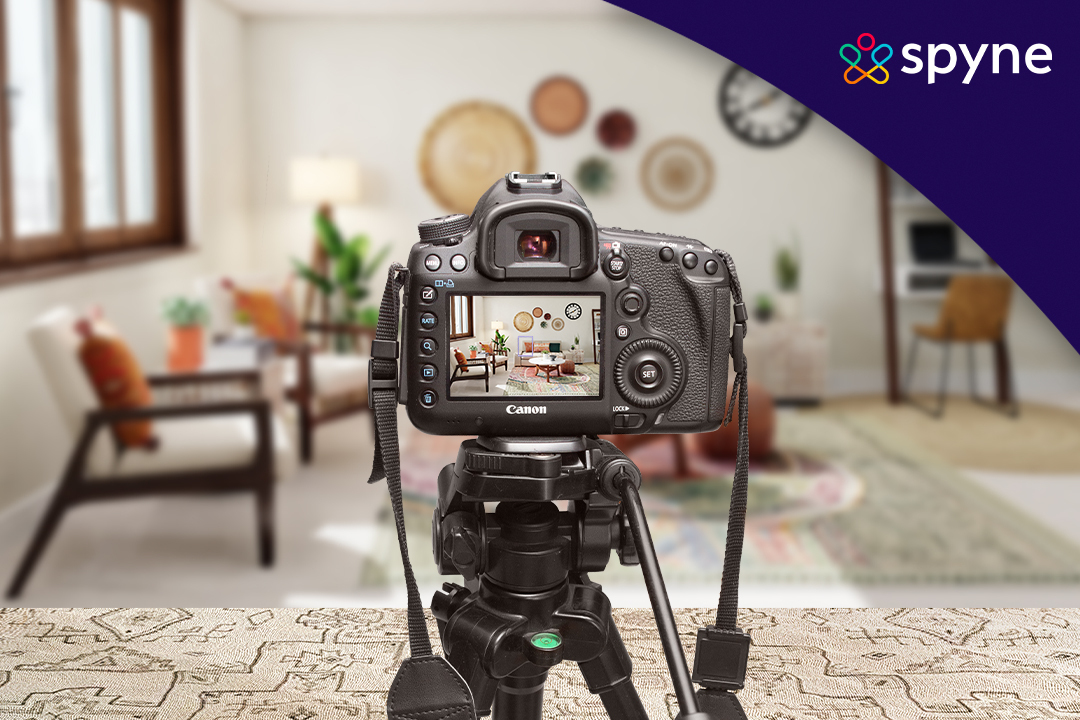
In a world where online shopping continues to dominate, having high-quality images can make all the difference in sales. From lighting techniques to framing and styling, there are numerous factors to consider that can elevate your photographs from ordinary to extraordinary. Let’s dive into the best practices and tips for achieving stunning visuals that resonate with your audience.
In today’s ever-evolving world, where information overload is a daily challenge, the importance of effective communication cannot be overstated. Whether you are a seasoned professional, a student looking to make your mark, or someone venturing into the realms of entrepreneurship, mastering the art of communication is key to success. ### The Power of WordsWords have the power to inspire, motivate, and often change the course of conversations and decisions.
They can build bridges or erect walls. The way we articulate our thoughts can either enhance our credibility or diminish it. For instance, in a professional setting, the use of clear and concise language demonstrates confidence and authority. Employers and colleagues are more likely to respect and trust someone who communicates their ideas effectively. Example: Imagine you are in a meeting presenting a new project proposal.
Your choice of words, tone, and body language will significantly impact how your message is received. An articulate presentation can persuade your audience to support your vision, while a disorganized delivery might leave them confused or uninterested.### Key Elements of Effective Communication
1. Clarity The first step in effective communication is ensuring that your message is clear. Avoid jargon and overly complex sentences. Instead, opt for straightforward language that your audience can easily understand.
Tip When drafting emails or reports, take a moment to read through your content aloud. This practice helps identify areas where your message may not be as clear as you think.
2. Active Listening Communication is a two-way street. To articulate your thoughts effectively, you must also be receptive to the ideas and opinions of others. Active listening involves not just hearing the words spoken but understanding the underlying message.
Tip During conversations, nod and provide feedback to show that you are engaged. This encourages the speaker to share more openly.
3. Empathy Understanding your audience’s feelings and perspectives can enhance your communication significantly. By putting yourself in their shoes, you can tailor your message in a way that resonates with them.
Example If you’re addressing a team about changes in project deadlines, acknowledge their concerns and stress the importance of flexibility and teamwork in achieving shared goals.
4. Body Language Non-verbal cues often communicate more than words themselves. Pay attention to your body language, facial expressions, and eye contact, as they can reinforce or contradict your spoken words.
Tip Maintain an open posture and make eye contact when speaking to create a connection with your audience.
5. Constructive Feedback Providing feedback can be tricky, but doing it effectively is essential for growth. When giving feedback, focus on specific behaviors rather than making personal judgments.
Example Instead of saying “Your presentation was boring,” you might say, “I think incorporating more visuals could help engage the audience better.”### The Impact of Technology on CommunicationIn recent years, technology has transformed how we communicate. With the rise of emails, instant messaging, and video conferencing, the landscape of communication has changed dramatically. While these tools offer convenience, they also present unique challenges.
1. Email Etiquette With the prevalence of emails in the workplace, mastering email etiquette is crucial. A well-structured email can convey professionalism and respect for the recipient’s time.
Tip Start with a clear subject line, use a polite greeting, and end with a courteous closing. Avoid using all caps, as it can be interpreted as shouting.
2. Social Media Platforms like LinkedIn, Twitter, and Facebook have opened new avenues for networking and communication. However, the informal nature of these platforms can sometimes blur the lines of professionalism.
Tip Ensure that your online presence aligns with your professional persona. Share relevant content and engage with your network thoughtfully.
3. Virtual Meetings With remote work becoming commonplace, virtual meetings have become essential for collaboration. However, they can also lead to communication barriers, such as technical difficulties or distractions.
Tip Test your equipment before meetings, and choose a quiet, well-lit environment to minimize interruptions.### Developing Your Communication SkillsImproving your communication skills is an ongoing process that requires practice and self-awareness. Here are some strategies to enhance your abilities:
1. Seek Feedback Ask trusted colleagues or mentors for constructive feedback on your communication style. This feedback can provide valuable insights into areas for improvement.
2. Join a Toastmasters Club Toastmasters is an international organization that helps individuals improve their public speaking and leadership skills. Participating in such groups can boost your confidence and hone your abilities in a supportive environment.
3. Practice Active Participation Engage in conversations, discussions, and debates. The more you practice articulating your thoughts, the more comfortable you will become.
4. Read Widely Exposure to diverse writing styles and perspectives can enhance your vocabulary and understanding of effective communication techniques.
5. Set Goals Identify specific communication skills you want to develop, such as public speaking or writing. Set measurable goals and track your progress consistently.### ConclusionIn conclusion, the ability to communicate effectively is an invaluable skill that can open doors to numerous opportunities. It is an art that requires practice, patience, and a willingness to learn. By focusing on clarity, active listening, empathy, body language, and constructive feedback, you can refine your communication abilities and foster stronger connections with those around you.As we navigate the complexities of modern communication, let us strive to become not only better communicators but also thoughtful and empathetic listeners.
In doing so, we can create a more connected and understanding world, both personally and professionally.
Quick FAQs: How To Photograph Home Decoration For Online Sales
What camera settings are best for product photography?
Use a low aperture (f/8 to f/11) for sharp focus, and adjust ISO and shutter speed based on lighting conditions.
How can I improve lighting for my photos?
Natural light is ideal; shoot near windows or use softbox lights for even illumination to minimize shadows.
Should I use a tripod for my photography?
Yes, a tripod stabilizes your camera, reducing blurriness and allowing for consistent framing across shots.
What background is best for home decor photography?
A clean, neutral background helps your decor stand out; consider using white, gray, or a soft texture.
How do I style my decor for photographs?
Incorporate props that complement your items, maintain balance in your composition, and ensure there’s enough negative space.