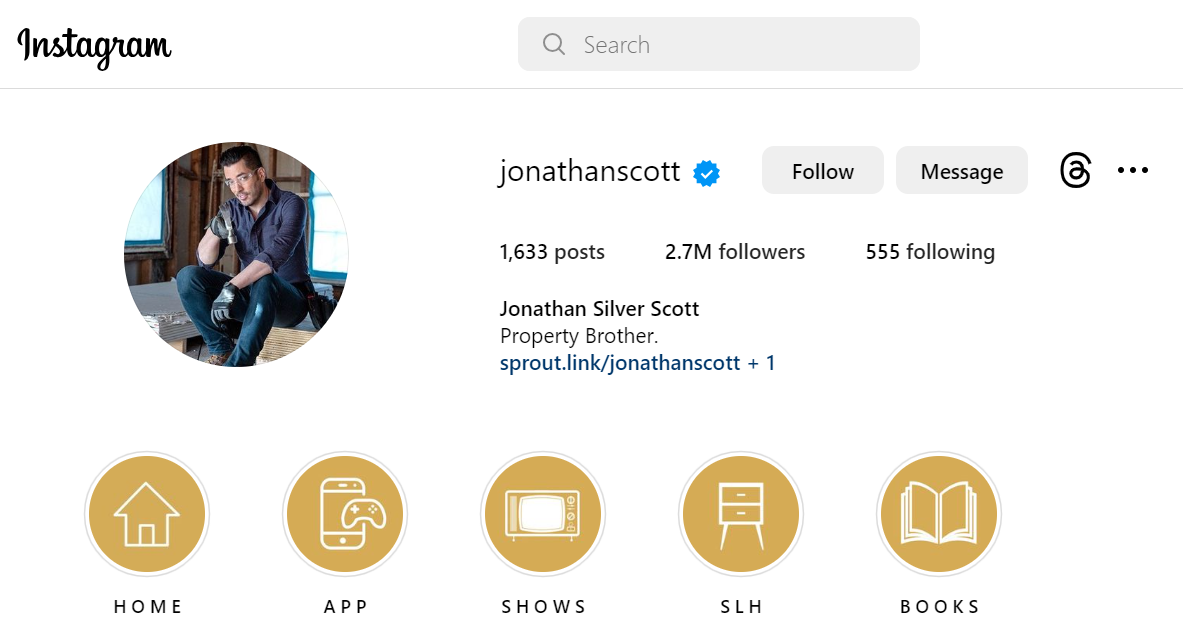
Leveraging Influencers to Promote Home Decoration is an innovative approach that blends social media dynamics with the world of interior design. As we spend more time at home, the need to create inviting and personalized spaces is increasingly important. Influencers, with their ability to connect and inspire, offer unique opportunities for brands to showcase their home decor products in authentic ways that resonate with consumers.
This strategy not only boosts brand visibility but also fosters a community of design enthusiasts eager to transform their living spaces.
In the ever-evolving world of digital technology, the impact of artificial intelligence (AI) has become an undeniable force that is shaping various industries. From healthcare to finance, education to entertainment, AI is transforming the way we live and work. In this article, we will explore the profound implications of AI, its applications across different sectors, and the potential it holds for the future.Artificial intelligence refers to the simulation of human intelligence in machines that are programmed to think and learn like humans.
This includes abilities such as problem-solving, understanding language, perceiving the environment, and even replicating human creativity. The rise of AI technologies is attributed to advancements in machine learning, natural language processing, and data analytics, which have enabled systems to analyze vast amounts of information and make decisions with incredible speed and accuracy.One of the most significant areas where AI is making a mark is healthcare.
With the increasing availability of health data, AI algorithms are being used to analyze patient records, predict disease outbreaks, and assist in diagnostics. For instance, AI can analyze imaging scans to detect conditions like tumors or fractures more quickly than a human radiologist. Moreover, AI-driven tools are helping doctors personalize treatment plans based on genetic information and other individual factors, ultimately improving patient outcomes.In the finance sector, AI is revolutionizing the way financial institutions operate.
Automated trading systems utilize algorithms to analyze market trends and execute trades at optimal times. Additionally, AI-powered chatbots are enhancing customer service by providing instant responses to client inquiries, streamlining operations, and improving user experience. Fraud detection systems also leverage AI to identify suspicious activities in real-time, thereby protecting customers and institutions from potential threats.Education is another domain where AI is creating substantial changes.
Adaptive learning platforms use AI to customize educational content to meet the needs of individual students, ensuring that learners receive the support they require to succeed. These platforms can analyze a student’s progress and adapt the curriculum accordingly, allowing for a more personalized learning experience. Furthermore, AI can assist educators in assessing student performance and identifying areas where additional support may be necessary.The entertainment industry has also been transformed by AI.
Streaming services like Netflix and Spotify utilize AI algorithms to analyze user preferences and viewing habits, providing personalized recommendations that enhance user engagement. Additionally, AI-generated content, from music to scriptwriting, is pushing the boundaries of creativity, leading to new forms of art that challenge traditional notions of authorship.Despite the numerous benefits AI brings, it is essential to address the ethical considerations surrounding its use.
Issues such as data privacy, algorithmic bias, and job displacement are significant concerns that society must navigate as we increasingly integrate AI into our daily lives. The potential for AI to perpetuate existing biases in data sets can lead to unfair outcomes in areas like hiring or law enforcement, necessitating a careful approach to the development and implementation of these systems.The future of AI holds exciting possibilities.
As technology continues to advance, we can expect even more innovative applications of AI that will shape the way we interact with the world. From smart cities equipped with AI-driven infrastructure to autonomous vehicles that could revolutionize transportation, the potential is limitless. However, it is crucial for governments, businesses, and individuals to collaborate in establishing ethical guidelines and frameworks that ensure AI is used responsibly and for the greater good.In conclusion, artificial intelligence has emerged as a transformative force across various industries, offering countless opportunities for innovation and improvement.
While the benefits of AI are profound, it is vital to remain vigilant about the ethical implications of its use. As we move forward, embracing AI’s potential while fostering responsible practices will be key to creating a future where technology serves humanity in meaningful ways.
FAQ Insights: Leveraging Influencers To Promote Home Decoration
What is the role of influencers in home decoration?
Influencers help brands reach a wider audience by showcasing products in an authentic and relatable manner, which can drive consumer interest and sales.
How can brands choose the right influencers?
Brands should look for influencers whose style aligns with their products and who have an engaged audience that matches their target market.
What platforms are best for influencer marketing in home decor?
Instagram and Pinterest are particularly effective platforms for home decor influencer marketing due to their visual nature and high engagement rates.
How do influencers impact consumer purchasing decisions?
Influencers create trust and credibility, often leading followers to make purchases based on their authentic recommendations and styled content.
Can small brands benefit from influencer partnerships?
Absolutely! Small brands can leverage micro-influencers who have dedicated followers, often leading to higher engagement and conversion rates.