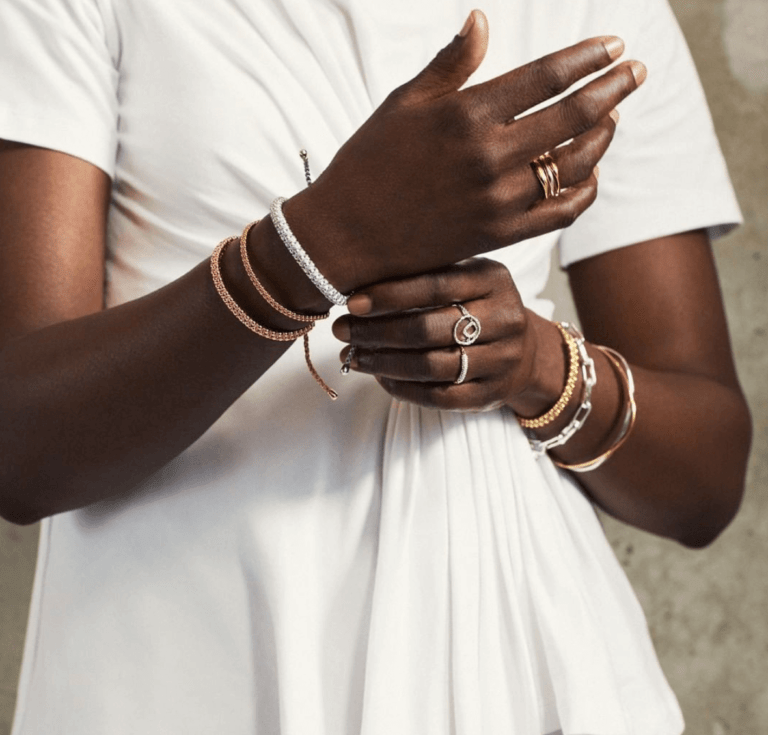
Trends in Minimalist Accessories sets the stage for this enthralling narrative, offering readers a glimpse into a world where simplicity meets elegance. Minimalist accessories are not just about less; they embody a philosophy that values quality over quantity, promoting a lifestyle that embraces understated beauty. This growing trend emphasizes clean lines, neutral palettes, and multifunctionality, making it appealing in today’s fast-paced environment.
As we delve deeper, we will explore the various styles that characterize minimalist accessories, the materials used, and how they can be integrated into everyday fashion. Whether it’s a sleek watch, a delicate necklace, or a functional handbag, minimalist accessories enhance personal style without overwhelming it.
In today’s fast-paced world, the significance of effective communication cannot be understated. Whether in personal relationships, professional settings, or casual interactions, the way we convey our thoughts and feelings plays a crucial role in shaping the outcomes of our conversations. Good communication is not just about exchanging information; it’s about understanding the emotions and intentions behind the information. To embark on a journey of enhancing our communication skills, we first need to recognize the various components that contribute to effective exchanges.
These include active listening, clarity and conciseness, empathy, body language, and the use of appropriate tone and language. Let’s delve deeper into each of these aspects to understand their importance and how we can improve upon them.### Active ListeningActive listening is perhaps one of the most critical facets of communication. It involves fully concentrating on the speaker, understanding their message, responding thoughtfully, and remembering what was said.
This goes beyond merely hearing the words; it requires engaging with the speaker and providing feedback that shows comprehension and interest. To practice active listening, one can start by eliminating distractions during conversations, maintaining eye contact, and asking open-ended questions to encourage further dialogue.An effective technique to enhance active listening skills is to paraphrase what the other person has said.
This not only shows that you are paying attention but also demonstrates respect for their thoughts. For example, if a colleague shares a concern, responding with, “What I hear you saying is…” can validate their feelings and promote an open exchange.### Clarity and ConcisenessIn our desire to communicate effectively, it is essential to be clear and concise. This means expressing our thoughts in a straightforward manner without unnecessary jargon or rambling.
Clarity involves being direct about the message you want to convey while ensuring that it is easily understood by the recipient. To achieve this, one can formulate thoughts before speaking, use simple language, and avoid overly complex sentences.Conciseness is equally important. In many contexts, particularly in professional environments, people appreciate brevity. The goal is to convey the message in as few words as possible while still communicating the essence of the idea.
Practicing concise communication can involve summarizing points, eliminating filler words like “um” or “you know,” and focusing on the main message rather than getting lost in details.### Empathy in CommunicationEmpathy is the ability to understand and share the feelings of another person. It is a vital element in building strong relationships, whether personal or professional. When we communicate with empathy, we acknowledge the other person’s feelings and perspectives, which fosters trust and openness.
This doesn’t always mean agreeing with someone’s viewpoint; rather, it’s about recognizing their experience.To practice empathetic communication, one can start by putting oneself in the other person’s shoes. This might involve asking how they feel about a situation or reflecting on how you would respond if you were in their position. By validating their feelings, such as saying, “I can see why you would feel that way,” you create a supportive environment that encourages honest discussion.### Body LanguageNon-verbal communication, particularly body language, significantly influences how our messages are received.
Our facial expressions, gestures, posture, and eye contact all convey information beyond our words. For instance, crossing your arms may be perceived as defensive, while leaning slightly forward can indicate interest and engagement. To improve your body language, it’s essential to be aware of your own non-verbal cues as well as those of others. Practicing open gestures, maintaining appropriate eye contact, and mirroring the other person’s body language can enhance the connection during conversations.
Additionally, being mindful of your facial expressions can help convey warmth and approachability.### Tone and LanguageThe tone in which we deliver our messages can drastically change their perception. For example, a sarcastic remark might be interpreted as humorous in a casual setting but could come across as offensive in a professional one. Therefore, being conscious of your tone is crucial, especially in sensitive situations.
Alongside tone, the choice of language plays a significant role in communication. Using inclusive language can make others feel valued and respected. For instance, opting for “everyone” instead of “you guys” is a small but impactful change that promotes a sense of belonging. Furthermore, avoiding slang or overly technical terms in diverse audiences ensures that the message is accessible to all.### Overcoming Communication BarriersDespite our best efforts, barriers to effective communication can arise.
These may include cultural differences, emotional states, personal biases, and various forms of distractions. Recognizing potential barriers is the first step to overcoming them. For instance, in a multicultural environment, understanding cultural norms can help avoid misinterpretations.Moreover, being aware of one’s emotions is essential. If you are feeling overwhelmed or frustrated, it might cloud your communication. Taking a moment to breathe and collect your thoughts before responding can lead to more constructive conversations.
### The Role of TechnologyIn recent years, technology has transformed how we communicate. While it provides various platforms for connection, it also poses challenges, such as the potential for miscommunication due to a lack of non-verbal cues. Hence, when using digital communication methods like email or messaging apps, it’s crucial to be particularly clear and considerate. Also, be mindful of the tone that may be interpreted in written communication.
Adding a simple “please” or “thank you” can soften the message and make it more personable. Utilizing video calls can also mitigate misunderstandings by allowing participants to observe body language and facial expressions.### Building Communication SkillsImproving communication skills is an ongoing process that involves reflection and practice. One effective approach is to seek feedback from trusted friends, family, or colleagues.
They can provide insights into how your communication style is perceived and offer suggestions for improvement. Engaging in regular conversations, joining discussion groups, or participating in public speaking events can also enhance your skills over time. Moreover, reading books on communication can provide valuable tips and strategies for refining your approach. ### ConclusionIn summary, effective communication is an essential life skill that impacts every aspect of our interactions.
By focusing on active listening, clarity, empathy, body language, and tone, we can cultivate stronger relationships personally and professionally. Overcoming barriers, adapting to technological changes, and committing to continuous improvement will further enhance our ability to communicate effectively. Ultimately, the goal of communication is to create understanding and connection with others. By embracing these principles and practicing them consistently, we can foster more meaningful exchanges and build lasting relationships that enrich our lives.
So, let’s take the time to invest in our communication skills, ensuring that our voices are heard and understood in the ways we intend.
Detailed FAQs: Trends In Minimalist Accessories
What are minimalist accessories?
Minimalist accessories are simple, functional pieces designed to enhance outfits without overwhelming them, often characterized by clean lines and neutral colors.
How can I incorporate minimalist accessories into my wardrobe?
You can start by choosing a few key pieces that complement your existing clothing, such as a classic watch or a simple pendant necklace.
Are minimalist accessories suitable for all occasions?
Yes, their versatility allows them to be worn for both casual and formal occasions, making them a staple in any wardrobe.
What materials are commonly used in minimalist accessories?
Common materials include metals like stainless steel, natural stones, and high-quality leather, which contribute to their durability and timeless appeal.
Where can I find quality minimalist accessories?
Many boutiques, online retailers, and sustainable brands offer a variety of minimalist accessories, often focusing on craftsmanship and ethical production.