Trends in Personalized Accessories are reshaping how we express our individuality through fashion and style. In an era where uniqueness is celebrated, personalized accessories not only enhance our outfits but also tell our personal stories. From custom jewelry to bespoke bags, these items are becoming essential for anyone looking to stand out. As we delve deeper, we’ll explore how these trends are evolving and revolutionizing the accessory market.
Personalized accessories cater to a wide array of tastes and preferences, allowing individuals to showcase their personality in a way that mass-produced items cannot. The rise of e-commerce has further fueled this trend, enabling people to easily access and create customized pieces that reflect their identity. With technology playing a significant role, brands are now offering innovative ways to personalize accessories, making it more convenient and exciting for consumers.
In the dynamic landscape of modern communication, the blend of casual and formal tones has become essential in fostering connections that feel both professional and approachable. This article delves into the nuances of this style and explores its various applications in different contexts, from emails to business meetings, and even social media interactions. The concept of casual formal language encompasses the ability to engage with others comfortably while maintaining a level of professionalism.
This style is particularly effective in environments where traditional barriers between casual conversations and formal dialogue are increasingly blurred. The rise of startups and creative industries has paved the way for a more relaxed approach to communication, encouraging individuals to express themselves freely while still being respectful and clear in their messaging.One of the key components of casual formal language is the use of conversational phrases.
Instead of strictly adhering to formal vocabulary, individuals can incorporate everyday language that resonates with their audience. For instance, using phrases like “let’s touch base” or “I hope you’re doing well” adds a personal touch to professional correspondence, making it feel less rigid and more relatable.Emails serve as a prime example of where casual formal language can thrive. When drafting an email, it’s essential to strike a balance between professionalism and friendliness.
A good rule of thumb is to start with a warm greeting, such as “Hi [Name],” rather than the more formal “Dear [Name],” unless the situation calls for it. Following this, it’s beneficial to engage the recipient with a personal note before diving into the main topic. This could be something as simple as asking about their recent project or referencing a mutual connection.Furthermore, clarity is crucial in casual formal communication.
While it’s tempting to adopt a laid-back tone, clarity should never be sacrificed for the sake of casualness. Using concise language and straightforward sentences helps convey messages effectively, ensuring that the recipient understands the intention without confusion. For example, instead of saying, “It would be appreciated if you could possibly send over the report at your earliest convenience,” one could say, “Could you send over the report when you get a chance?” This phrasing maintains professionalism while sounding approachable and friendly.In meetings, whether in-person or virtual, casual formal language can help foster a more collaborative atmosphere.
It’s essential to establish a comfortable space for dialogue, encouraging participants to express their ideas freely. This can be achieved by inviting everyone to share their thoughts with phrases like “I’d love to hear your insights” or “Feel free to jump in at any time.” Such language promotes inclusivity and engagement, making everyone feel valued and respected.Moreover, when giving presentations, adopting a casual formal tone can enhance the overall experience for the audience.
Engaging storytelling techniques, along with relatable anecdotes, can make complex topics more digestible. For instance, using humor or personal experiences allows the presenter to connect with the audience on a human level, making the information more memorable. However, it’s essential to gauge the audience’s reaction and adjust accordingly to maintain professionalism throughout the presentation.Another important aspect of casual formal language lies in its application on social media platforms.
As digital communication continues to dominate, the way individuals and brands interact on these platforms has evolved. Casual formal language can help build a community around a brand, allowing for more genuine interactions with followers. For instance, responding to customer inquiries with a friendly tone while still addressing their concerns professionally can enhance customer satisfaction and brand loyalty.When crafting social media posts, it’s beneficial to maintain a conversational style.
Brands that speak to their audience in a relatable manner, using everyday language and avoiding overly technical jargon, are more likely to engage their audience effectively. Incorporating emojis, gifs, or casual phrases can add personality to posts, making them feel more human and approachable.However, it’s important to be mindful of the context and the audience. What works in one setting may not be appropriate in another.
For instance, while a friendly tone is effective when addressing an audience on social media, a more reserved approach may be necessary when communicating with stakeholders or clients. Understanding the audience and tailoring the language accordingly is key to successful communication, regardless of the platform.In conclusion, the art of casual formal language lies in its ability to create meaningful connections while preserving professionalism.
By incorporating conversational phrases, maintaining clarity, and adapting to various contexts, individuals can navigate the complexities of modern communication effectively. As we continue to evolve in our interactions, embracing this hybrid style will not only enhance our personal and professional relationships but also contribute to a more inclusive and engaging communication culture. Ultimately, mastering casual formal language is about finding the right balance.
It allows us to be authentic and approachable while still respecting the conventions of professionalism. Whether in emails, meetings, presentations, or social media, this style can facilitate better understanding and stronger connections among individuals in today’s fast-paced, interconnected world.
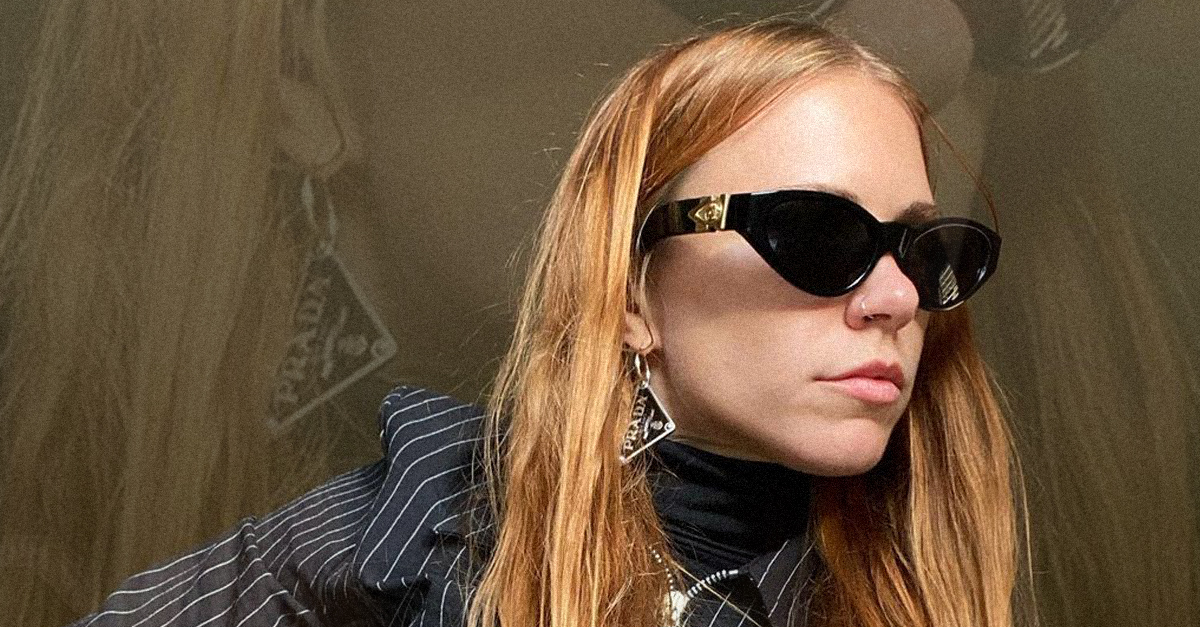
FAQ Summary: Trends In Personalized Accessories
What types of accessories can be personalized?
Common personalized accessories include jewelry, bags, hats, and tech gadgets, each customizable with engravings, colors, and designs.
How can I choose the right personalized accessory for myself?
Consider your personal style, the occasions you’ll wear it for, and how the accessory reflects your personality or interests.
Are personalized accessories becoming more affordable?
Yes, as technology advances and demand increases, many brands are offering more affordable options for personalized accessories.
How do I care for personalized accessories?
Caring for personalized accessories typically involves following specific cleaning instructions based on the material used, such as avoiding harsh chemicals for jewelry.
Can I create personalized accessories for special occasions?
Absolutely! Many companies specialize in creating custom pieces for events like weddings, birthdays, and anniversaries, making them memorable gifts.