Using Email Newsletters to Drive Subscriptions is an essential strategy for businesses looking to engage their audience and boost their subscriber count. Email newsletters not only serve as a direct line of communication with potential customers but also provide valuable content that can convert readers into loyal subscribers. By leveraging effective design, compelling content, and strategic calls to action, businesses can create newsletters that not only capture attention but also encourage recipients to take the desired actions.
In today’s digital age, where the competition for attention is fierce, understanding how to craft and utilize email newsletters effectively can set a brand apart. It’s important to highlight the key elements that contribute to successful newsletters, including personalization, segmentation, and the value of consistency in communication. The right approach can turn casual readers into committed subscribers, ultimately enhancing the overall marketing strategy.
In today’s fast-paced world, the importance of effective communication cannot be overstated. Whether in personal relationships or professional settings, the ability to convey ideas clearly and concisely is a vital skill that can significantly impact outcomes. This article delves into the various aspects of communication, exploring its significance, components, and ways to enhance it.### Understanding CommunicationCommunication is the act of exchanging information, thoughts, or feelings between individuals.
It can occur verbally, non-verbally, or through written means. Effective communication is not just about speaking clearly; it’s also about listening actively and understanding the emotions behind the words. The communication process typically involves a sender, a message, a medium, and a receiver. The sender encodes the message and transmits it through a chosen medium, such as speech, writing, or body language.
The receiver then decodes the message and responds, completing the communication loop. ### The Importance of Effective CommunicationEffective communication is crucial for several reasons:#### 1. Builds RelationshipsIn both personal and professional contexts, strong communication skills foster relationships. When individuals communicate openly, trust and mutual respect are established, leading to deeper connections.#### 2. Facilitates Decision-MakingClear communication significantly enhances decision-making processes.
When team members articulate their ideas and opinions effectively, it allows for better brainstorming, problem-solving, and consensus-building.#### 3. Reduces ConflictsMisunderstandings often arise from poor communication. By expressing thoughts clearly and ensuring that all parties understand the message, conflicts can be minimized, leading to a more harmonious environment.#### 4. Enhances Team CollaborationIn a workplace setting, collaboration is essential for achieving common goals.
Effective communication promotes teamwork by ensuring that everyone is on the same page and understands their roles and responsibilities.### Components of Effective CommunicationTo communicate effectively, certain components must be present:#### 1. ClarityMessages should be clear and straightforward. Avoiding jargon and overly complicated language helps ensure that the receiver understands the message without confusion.#### 2. ConcisenessBeing concise means delivering a message in as few words as possible while still conveying the essential information.
This respects the receiver’s time and keeps their attention focused.#### 3. ToneThe tone of voice can significantly affect how a message is perceived. A friendly, positive tone can enhance receptivity, while a harsh or negative tone can lead to defensiveness or misunderstandings.#### 4. Active ListeningEffective communication is a two-way street. Active listening involves fully concentrating on the speaker, understanding their message, responding thoughtfully, and remembering key points for future reference.### Tips for Enhancing Communication SkillsHere are several practical tips to help improve communication skills:#### 1.
Practice Active ListeningActive listening requires engagement. Show that you are listening by nodding, maintaining eye contact, and providing feedback. This encourages the speaker and fosters a deeper level of communication.#### 2. Be Mindful of Body LanguageNon-verbal cues, such as facial expressions and gestures, play a significant role in communication. Being aware of your body language and that of others can provide additional context to the spoken message.#### 3.
Tailor Your MessageConsider your audience when crafting your message. Adapt your language, tone, and content to suit the needs and expectations of the receiver. This increases the chances of your message being well-received.#### 4. Ask for FeedbackEncouraging feedback allows for a better understanding of how your message is interpreted. It also demonstrates that you value the receiver’s perspective and are open to improvement.#### 5.
Embrace TechnologyIn today’s digital age, technology can enhance communication. Utilize tools such as video conferencing, instant messaging, and collaboration platforms to stay connected with others, especially in remote work settings.### Overcoming Communication BarriersDespite the best intentions, barriers to effective communication can arise. Here are some common obstacles and how to overcome them:#### 1. Language DifferencesLanguage barriers can complicate communication, particularly in multicultural environments.
Use simple language and avoid idiomatic expressions that may not be understood by all speakers. Utilizing visual aids can also help bridge gaps.#### 2. Emotional BarriersEmotions can cloud judgment and affect communication. If someone is upset or anxious, it may be challenging to engage in open dialogue. Approach sensitive topics with empathy and patience, allowing the person to express their feelings.#### 3.
Physical BarriersPhysical barriers, such as distance or disruptions in the environment, can hinder effective communication. Ensure a conducive environment for discussions, whether in person or virtually, by minimizing distractions and finding appropriate venues.### The Role of Technology in CommunicationIn our modern world, technology significantly impacts how we communicate. Social media, emails, and messaging apps have transformed the landscape of personal and professional interactions.
However, while technology offers convenience, it also comes with challenges.#### Benefits of Technology in Communication
1. Instant Connectivity
Technology allows individuals to communicate instantly, regardless of geographical location. This has made collaboration across different time zones more feasible.
2. Diverse Communication Channels
With various platforms available, individuals can choose the method that best suits their communication style, whether through text, video, or voice.
3. Enhanced Collaboration Tools
Online tools such as shared documents and project management software streamline team communication, making it easier to work together efficiently.#### Challenges of Technology in Communication
1. Misinterpretation
Without non-verbal cues, messages sent via text or email can be easily misinterpreted. Tone and intent may be lost, leading to misunderstandings.
2. Information Overload
The sheer volume of information available through digital channels can overwhelm individuals, making it challenging to focus on important messages.
3. Decreased Personal Interaction
Over-reliance on technology may lead to a decline in face-to-face communication skills, which are essential for building strong relationships.### ConclusionEffective communication is an essential skill that plays a critical role in our personal and professional lives. By understanding its components, recognizing the barriers we face, and implementing strategies to enhance our communication skills, we can build stronger relationships, facilitate collaboration, and navigate conflicts more successfully.
As we continue to adapt to the evolving landscape of communication, it is essential to balance our use of technology with traditional face-to-face interactions. Ultimately, honing our communication skills can lead to more meaningful connections and improved outcomes in all areas of our lives.
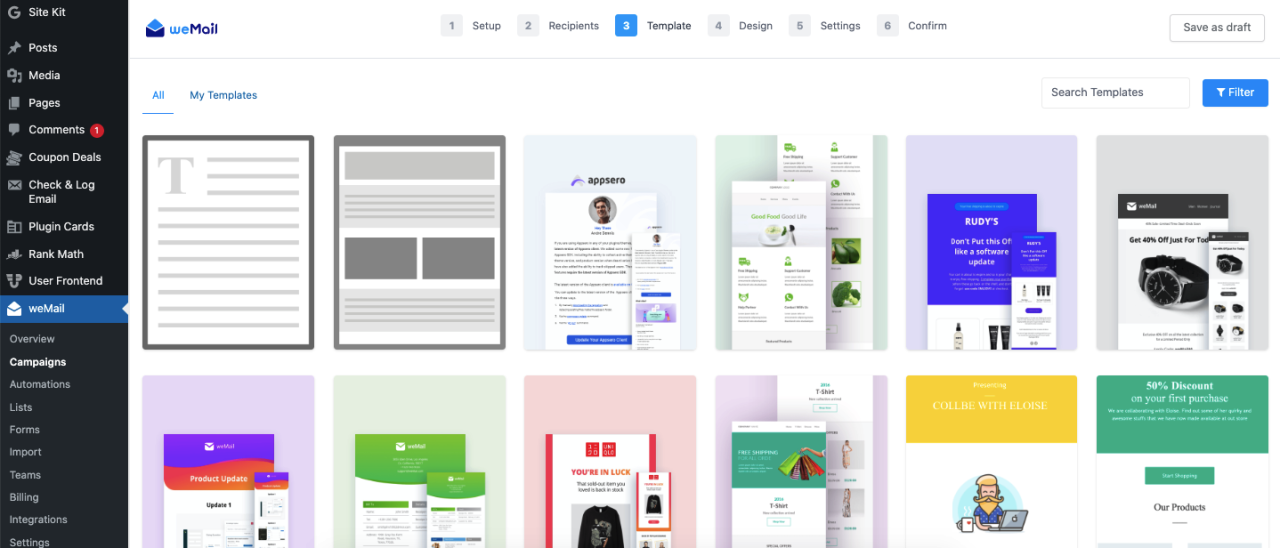
FAQ Corner: Using Email Newsletters To Drive Subscriptions
What are the best practices for designing an email newsletter?
Best practices include using a clean layout, incorporating eye-catching visuals, ensuring mobile compatibility, and maintaining a consistent brand voice throughout.
How often should I send email newsletters?
Frequency depends on your audience and content, but a common approach is to send newsletters weekly or bi-weekly to maintain engagement without overwhelming subscribers.
What types of content work best in email newsletters?
Content that educates, entertains, or offers exclusive deals tends to perform well. This could include articles, tips, product updates, and special promotions.
How can I measure the success of my email newsletters?
Success can be measured through open rates, click-through rates, subscriber growth, and overall engagement metrics to gauge how well your newsletters resonate with your audience.
Is it necessary to segment my email list?
Yes, segmenting your email list allows you to tailor content to specific groups, which can lead to higher engagement rates and more effective communication.